Showing posts with label Traditional Snacks. Show all posts

Jongkong recipe and Health Benefits


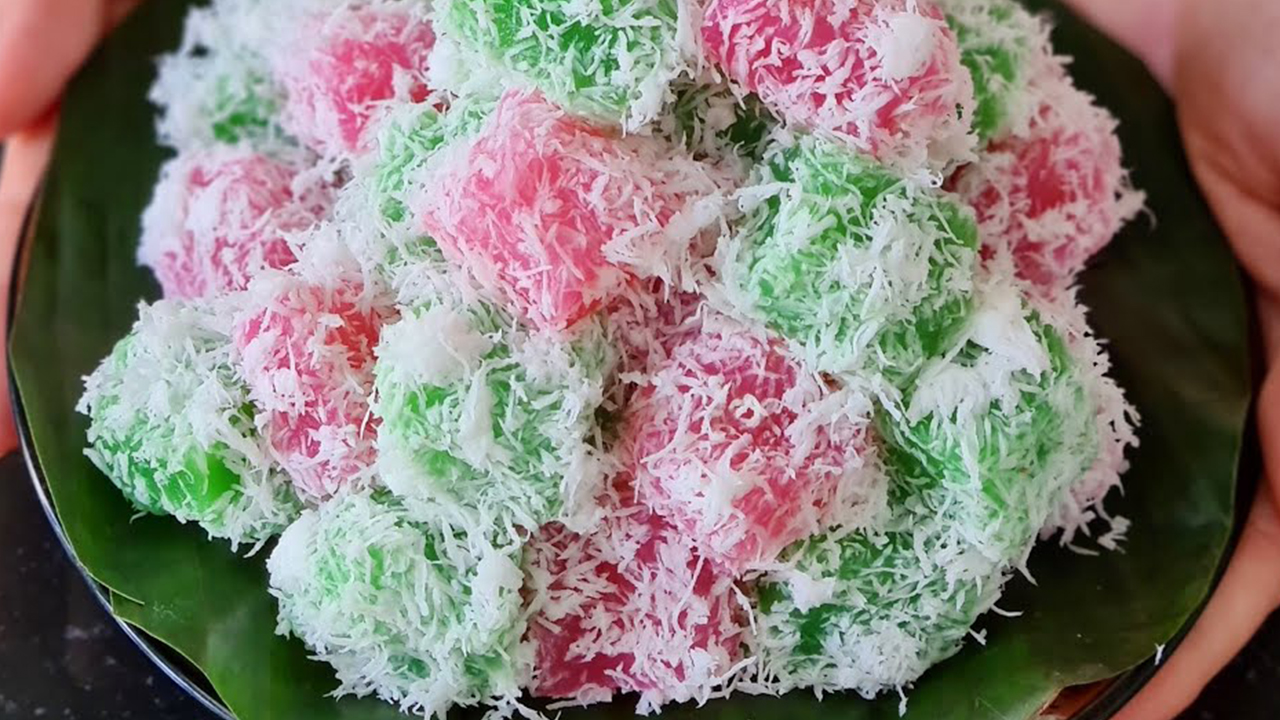
Jongkong is a traditional snack from Bangka, which is also famous in other regions of Sumatra. Its sweet and savory taste makes jongkong cakes delightful on the palate.

Jongkong is made from a mixture of rice flour, glutinous rice flour, cornstarch, coconut milk, grated coconut, and palm sugar, wrapped in banana leaves and steamed.

Ingredients:
- 200 grams of glutinous rice flour
- 50 grams of wheat flour
- 200 ml of hot water
- 100 grams of granulated sugar
- 1/2 teaspoon of vanilla powder
- Banana leaves for wrapping

Instructions:

1. Mix glutinous rice flour, wheat flour, granulated sugar, and vanilla powder in a large bowl.

2. Heat water in a saucepan until boiling. Gradually pour the boiling water into the flour mixture while stirring continuously with a wooden spoon or spatula. Stir until the dough becomes smooth and free of lumps.

3. Prepare banana leaves and cut them into small sheets.

4. Take a small portion of the jongkong dough and place it in the center of a banana leaf sheet. Wrap the dough tightly with the banana leaf, shaping it into an elongated or round jongkong shape.

5. Repeat the same steps until all the dough is used.

6. Prepare a steamer pot. Place the jongkong cakes in the preheated steamer pot. Steam the cakes for about 15-20 minutes until cooked.

7. Once cooked, remove the jongkong cakes from the steamer pot. Allow them to cool slightly before serving.

Jongkong cakes are ready to be served as a dessert or traditional snack. They can be enjoyed warm or cold.

Enjoy!

Health benefits:

Jongkong cakes are traditional Indonesian food made from glutinous rice flour and granulated sugar. Although jongkong cakes are known for being delicious, there are no specific health benefits directly associated with these cakes. However, some of the main ingredients used in making jongkong cakes have several health benefits, including:

1. Glutinous rice flour: Glutinous rice flour is a complex carbohydrate that provides energy to the body. Complex carbohydrates are broken down more slowly in the body, providing a longer-lasting feeling of fullness and maintaining stable blood sugar levels.

2. Granulated sugar: Granulated sugar is used as a sweetener in jongkong cakes. However, it is important to consume sugar in moderation as excessive sugar intake can lead to health problems such as obesity and risks associated with an unhealthy diet.

It is important to note that jongkong cakes are generally consumed in small quantities as snacks or desserts. To maintain a balanced diet and a healthy lifestyle, it is important to consume jongkong cakes in moderation and balance them with a variety of nutritious foods such as fruits, vegetables, and healthy sources of protein. Always remember that balance and variety in the diet are key to meeting nutritional needs. If you have specific health conditions or are considering a specific diet, it is advisable to consult with a nutritionist or healthcare professional. 
Cenil recipe and Health Benefits


Cenil is a traditional Indonesian snack originating from Yogyakarta and other regions in Java. It symbolizes the close brotherhood and unity among Javanese people. Cenil is made from tapioca flour, wheat flour, grated coconut, pandan leaves, salt, and water. This colorful snack can be sprinkled with grated coconut and sugar. It is often sold together with "gerontang jagung" (corn on the cob) and black glutinous rice.

Here is a recipe for Cenil, one of the traditional Indonesian snacks:

Ingredients:
- 200 grams of glutinous rice flour
- 50 grams of tapioca flour
- 200 ml of boiling water
- 150 grams of finely grated palm sugar
- 100 grams of coarsely grated coconut, toasted

Instructions:

1. In a large bowl, mix together the glutinous rice flour and tapioca flour.

2. Heat the water in a saucepan until boiling. Slowly pour the boiling water into the flour mixture while continuously stirring with a wooden spoon or spatula.

3. Stir until the dough becomes smooth and non-sticky. If the dough is too soft, gradually add more glutinous rice flour until the desired consistency is achieved.

4. Take a small amount of dough, shape it into a small disc by flattening it in your hands.

5. Boil water in a pot. Place the dough discs into the boiling water and cook until they float to the surface.

6. Use a slotted spoon to remove the cooked dough discs from the boiling water. Drain and let them cool.

7. Roll the cooled dough discs in the finely grated palm sugar until coated evenly.

8. Sprinkle the toasted grated coconut on top as a garnish.

Cenil is now ready to be served as a delicious and enjoyable snack. Enjoy it while it's fresh.

Health Benefits :

Cenil, being a traditional Indonesian snack made from glutinous rice flour and palm sugar, does not have any specific direct health benefits. However, some of the main ingredients used in cenil have certain health benefits, including:

1. Glutinous rice flour: Glutinous rice flour is a source of complex carbohydrates that provides energy to the body. Complex carbohydrates are broken down more slowly in the body, providing a longer-lasting feeling of fullness and maintaining stable blood sugar levels.

2. Palm sugar: Palm sugar is used as a sweetener in cenil. However, it's important to consume sugar in moderation as excessive sugar consumption can lead to health problems such as obesity and diseases associated with an unhealthy diet.

3. Grated coconut: The toasted grated coconut used as a topping in cenil contains dietary fiber that is beneficial for digestion and helps maintain a healthy digestive system. Additionally, grated coconut also contains healthy fats in the form of medium-chain fatty acids, which can be used as a source of energy by the body.

It's important to note that cenil is typically consumed in small portions as a snack or dessert. To maintain a balanced diet and a healthy lifestyle, it's important to consume cenil in moderation and balance it with a variety of nutritious foods such as fruits, vegetables, and healthy sources of protein. Always remember that balance and variety in your diet are key to meeting your nutritional needs. If you have specific health conditions or are considering a particular diet, it is recommended to consult with a nutritionist or healthcare professional. 

Kerak Telor recipe and Health Benefits


Kerak Telor is a traditional Indonesian snack that is typically found during the Jakarta Fair. It is made by street vendors who carry a mini stove and frying pan. The main ingredients of this savory snack are glutinous white rice, chicken or duck eggs, dried shrimp, and fried shallots as a topping.

Here's the recipe for Kerak Telor, a famous Indonesian traditional dish:

Ingredients:
- 250 grams glutinous white rice
- 100 grams grated coconut, toasted
- 2 eggs
- 100 ml water
- 2 tablespoons ground dried shrimp (ebi)
- 4 tablespoons fried shallots
- 2 tablespoons fried garlic
- 2 tablespoons spring onions, thinly sliced
- 1 teaspoon ground pepper
- 1/2 teaspoon salt
- Sufficient cooking oil

Instructions:

1. Wash the glutinous rice thoroughly and soak it in water for at least 2 hours. Then, drain the rice.

2. Heat a flat non-stick pan or frying pan over low heat. Grease the surface of the pan with a little cooking oil.

3. In a bowl, beat the eggs and mix them with the drained glutinous rice. Add toasted grated coconut, water, ground dried shrimp, fried shallots, fried garlic, spring onions, ground pepper, and salt. Stir well until all the ingredients are evenly mixed.

4. Heat the pan over medium heat. Take a handful of the Kerak Telor mixture and pour it into the center of the heated pan. Spread the mixture to form a thin, round layer with an even thickness.

5. Allow the mixture to cook until the bottom side turns golden brown and starts to dry. If the surface has dried but the bottom side is still moist, flip the Kerak Telor using a spatula.

6. Continue grilling until both sides are cooked and have a golden brown color. Ensure that the Kerak Telor is evenly cooked without burning.

7. Remove the Kerak Telor from the pan and serve it with a topping of fried shallots.

Note: Kerak Telor is usually served warm. You can enjoy it immediately after it's cooked or during the celebration of the Chinese New Year in Indonesia.

Enjoy preparing and savoring this delicious dish!

Health Benefits:

Kerak Telor is a dish rich in flavor and has several potential health benefits, primarily derived from the ingredients used in its preparation. Here are some health benefits associated with Kerak Telor:

1. Glutinous rice: Glutinous rice is a complex carbohydrate that provides energy to the body. Complex carbohydrates are broken down more slowly, providing a longer-lasting feeling of fullness and maintaining stable blood sugar levels.

2. Eggs: Eggs are an excellent source of protein. Protein is an essential nutrient that plays a role in building and repairing body tissues, as well as maintaining muscle health and a strong immune system.

3. Grated coconut: Grated coconut contains dietary fiber, which is beneficial for digestion and maintaining a healthy digestive system. Additionally, grated coconut contains healthy fats in the form of medium-chain fatty acids, which can be used as a source of energy by the body.

4. Shallots and garlic: Shallots and garlic contain natural sulfur compounds that can provide benefits to the immune system. These sulfur compounds have antioxidant and antimicrobial properties that can help fight infections and enhance immune function.

5. Dried shrimp (ebi): Dried shrimp is an animal-based protein source that is rich in essential amino acids, iron, and selenium. These proteins and minerals are important for cell growth and optimal bodily functions.

However, it's important to note that Kerak Telor also contains cooking oil and

 salt, which should be consumed in moderation. It's important to maintain balance, consider portion sizes, and lead an active lifestyle to overall health.

Always remember that balance and variety in your diet are key to meeting your nutritional needs. If you have specific health conditions or are considering a specific diet, it's recommended to consult with a registered dietitian or healthcare professional.

Kue Pancong recipe and Health Benefits


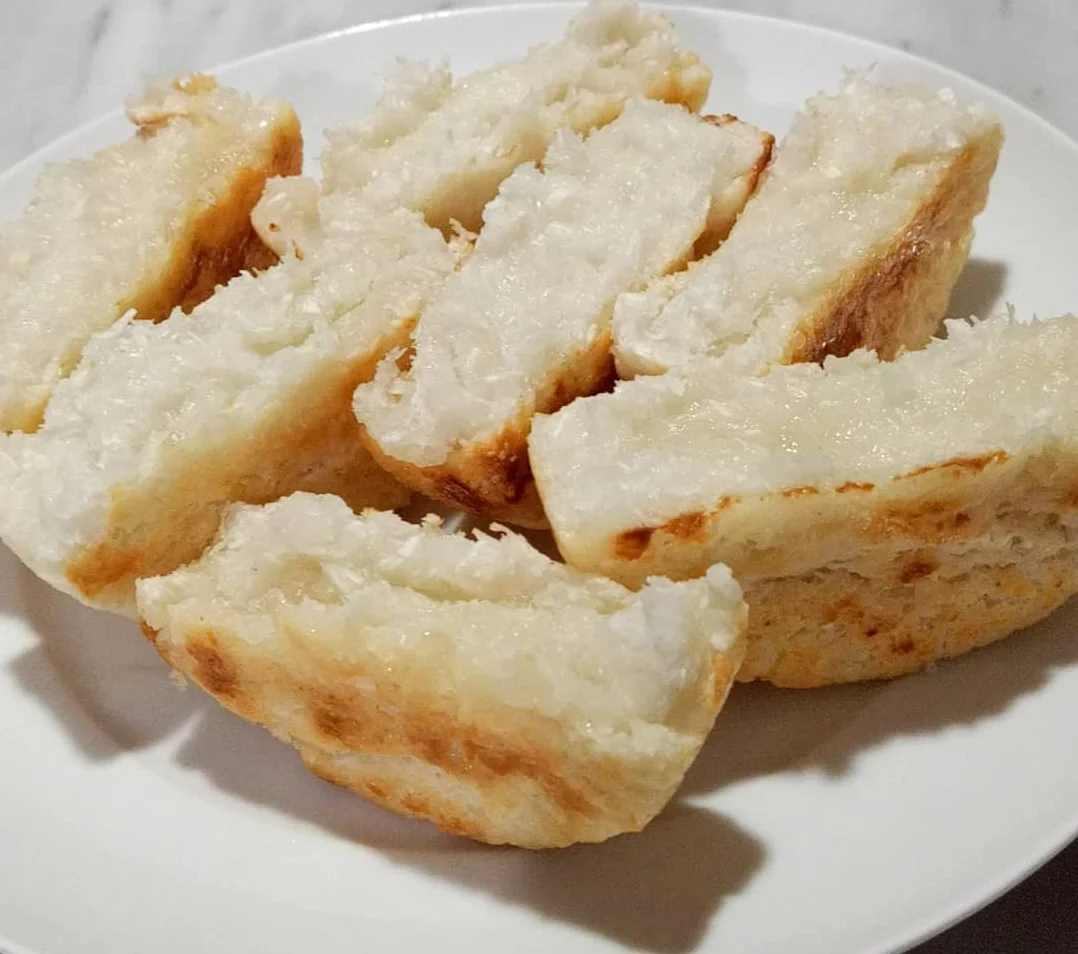
The batter of kue pancong consists of rice flour and coconut, in the form of either thick coconut milk or grated coconut. On top of the warm pancong, it is typically sprinkled with granulated sugar. This combination creates a savory flavor from the batter mixed with the sweet sugar, creating a delightful sensation on your taste buds.

Ingredients:

- 250 grams of rice flour
- 50 grams of wheat flour
- 100 grams of granulated sugar
- 200 ml thick coconut milk
- 200 ml water
- 1/2 teaspoon of instant yeast
- 1/4 teaspoon of salt
- Sufficient cooking oil for greasing the pan
- Grated cheese or grated coconut for topping (optional)

Instructions:

1. Mix rice flour, wheat flour, instant yeast, and granulated sugar in a bowl. Stir well.

2. Gradually add thick coconut milk and water while continuously stirring until it forms a smooth and lump-free batter.

3. Add salt to the batter and mix well.

4. Let the batter rest for about 1-2 hours to allow it to rise. If the room temperature is cool enough, you can leave it overnight.

5. After the batter has risen, heat a special pancong pan over medium heat. Grease the pan lightly with cooking oil.

6. Pour the batter into the pan until it's half full. Cover the pan and let the batter cook for a few minutes.

7. Open the lid and let the top of the kue pancong appear porous and turn golden brown.

8. Remove the kue pancong from the pan and let it cool briefly.

9. Repeat the process until all the batter is used.

10. If using toppings, sprinkle grated cheese or grated coconut on top of the kue pancong.

11. Kue pancong is ready to be served and enjoyed.

Note: Kue pancong can be served warm or cold. If you prefer a crispier texture, you can reheat the kue pancong before serving.

Health Benefits:

Kue pancong is a traditional Indonesian food made from a mixture of rice flour, coconut milk, and sugar. Although kue pancong is known for its delicious and enjoyable taste, there are no specific health benefits directly associated with kue pancong. However, some of the main ingredients used in making kue pancong have several health benefits, including:

1. Rice flour: Rice flour is a source of carbohydrates that provides energy to the body. Carbohydrates are the main source of energy needed by the body to carry out various functions and daily activities.

2. Coconut milk: Coconut milk is a source of plant-based fat that contains healthy fatty acids. Plant-based fats can provide energy and aid in the absorption of fat-soluble vitamins in the body.

3. Sugar: The sugar used in kue pancong adds sweetness to the food. However, it is important to consume sugar in moderation as excessive sugar consumption can lead to health problems such as obesity and the risk of diseases associated with an unhealthy diet.

It's important to note that kue pancong is typically consumed in small amounts as a snack or dessert. To maintain a balanced diet and a healthy lifestyle, it is important to consume kue pancong in moderation and balance it with a diet rich in nutrients, including fruits, vegetables, and healthy sources of protein.

Kue Ape recipe and Health Benefits


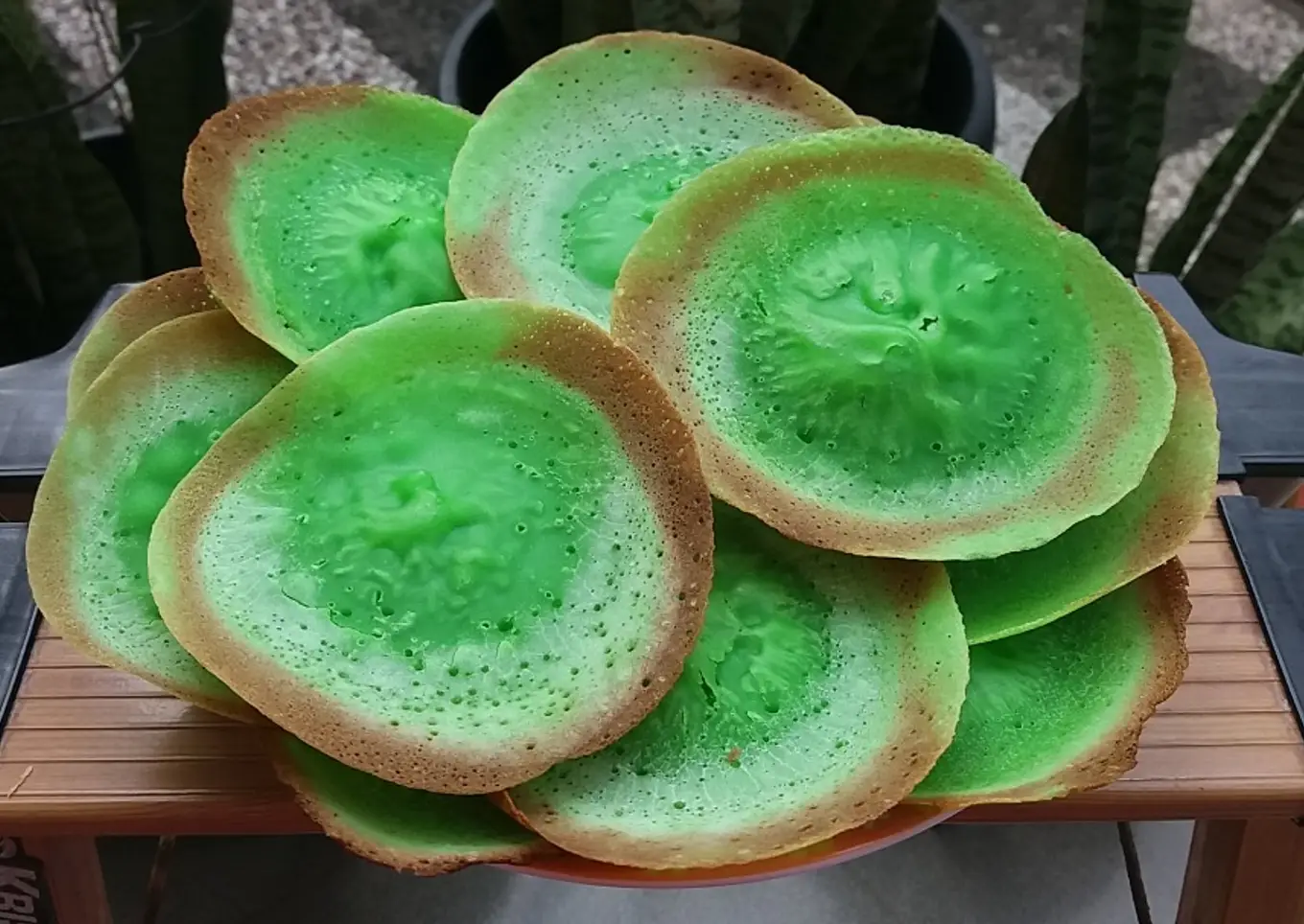
Kue ape is a traditional Indonesian snack that originates from Betawi, Jakarta. The name "ape" means "what" in the local dialect. Kue ape is typically made to order and cannot be stored for a long time. The sellers usually bring a stove or burner and a griddle to make the kue ape right after you place your order. The main ingredients of kue ape include rice flour, coconut water, wheat flour, salt, coconut milk, baking powder, and granulated sugar.

Ingredients:

- 250 grams of rice flour
- 50 grams of wheat flour
- 200 ml of coconut water
- 200 ml of water
- 150 grams of granulated sugar
- 1/2 teaspoon of instant yeast
- 1/2 teaspoon of baking powder
- 1/4 teaspoon of salt
- Banana leaves for lining (optional)

Instructions:

1. Mix the rice flour, wheat flour, instant yeast, and baking powder in a bowl. Stir well.

2. Gradually add the coconut water and water while continuously stirring until it forms a smooth and lump-free batter.

3. Add the granulated sugar and salt to the batter, and stir until the sugar dissolves and is evenly mixed.

4. Let the batter rest for about 1-2 hours to allow it to rise. If the room temperature is cool enough, you can leave it overnight.

5. Once the batter has risen, heat the kue ape griddle over medium heat. If using an iron or non-stick griddle, there's no need to grease it. However, if using a regular griddle, lightly grease it with oil to prevent sticking.

6. Pour the batter into the griddle until it is full. Allow the batter to rise and cook for a few minutes.

7. Cover the kue ape griddle and let the cake cook until the bottom turns golden brown and small holes form on top.

8. Remove the kue ape from the griddle and let it cool for a while. If using banana leaves for lining, place the kue ape on top of them.

9. The kue ape is now ready to be served and enjoyed.

Health benefits:

Kue ape is a traditional Indonesian snack made from a mixture of rice flour, coconut water, and sugar. Although kue ape is primarily known for its delicious taste, there are no specific health benefits directly associated with it. However, some of the main ingredients used in making kue ape have certain health benefits, including:

1. Rice flour: Rice flour is a source of carbohydrates that provides energy to the body. Carbohydrates are the main source of energy needed by the body to perform various daily functions and activities.

2. Coconut water: Coconut water is a natural source of electrolytes and contains minerals such as potassium, sodium, and magnesium. Consuming coconut water can help maintain electrolyte balance in the body and provide good hydration.

3. Sugar: The sugar used in kue ape adds sweetness to the food. However, it's important to consume sugar in moderation, as excessive sugar intake can lead to health problems such as obesity and an increased risk of diseases associated with an unhealthy diet.

It's important to note that kue ape is typically consumed in small amounts as a snack or dessert. To maintain a balanced diet and a healthy lifestyle, it's important to consume kue ape in moderation and balance it with other nutritious foods such as fruits, vegetables, and healthy sources of protein.

Klepon recipe and Health Benefits


Klepon is a traditional Indonesian snack that is round in shape, green in color, filled with palm sugar, and coated with grated coconut. Klepon is made from glutinous rice flour that is kneaded, shaped into balls, filled with palm sugar, and then boiled in boiling water. The snack is then rolled in grated coconut. In addition to glutinous rice flour, klepon can also be made from purple yam.

Ingredients:

- 200 grams of glutinous rice flour
- 150 ml of boiling water
- Green food coloring (optional)
- 100 grams of grated coconut, steamed or toasted

Filling:

- Palm sugar, cut into small pieces the size of corn kernels (about 10-12 pieces)
Instructions:
1. Mix the glutinous rice flour with boiling water and stir until it forms a smooth and non-sticky dough. If you want to add color to the klepon, add a few drops of green food coloring and mix well.
2. Take a pinch of the glutinous rice dough, flatten it in the palm of your hand that has been lightly oiled. Place a piece of palm sugar in the center.
3. Fold the glutinous rice dough around the palm sugar and shape it into a ball, making sure the palm sugar is evenly covered with the glutinous rice dough. Make sure there are no open parts.
4. Boil water in a pot until it boils. Place the klepon in the boiling water and cook until they float. Remove the klepon using a sieve or slotted spoon and drain.
5. Roll the klepon in the prepared grated coconut, ensuring that the klepon is coated evenly with the grated coconut.
6. Klepon is ready to be served. Enjoy klepon warm or cold as a snack or dessert.

Health Benefits:

Klepon is a traditional Indonesian food made from glutinous rice flour, filled with palm sugar, and coated with grated coconut. Although klepon is primarily known as a delicious treat, there are some health benefits associated with its main ingredients, including:

1. Glutinous rice flour: Glutinous rice flour contains complex carbohydrates that provide long-lasting energy. Carbohydrates are the main source of energy for the body and are important for maintaining a healthy body function.

2. Palm sugar: While palm sugar is used as a filling in klepon, it should be consumed in moderation due to its high calorie content. However, palm sugar also contains some minerals such as calcium, iron, and magnesium in small amounts. It is best to consume palm sugar in moderation and balance it with a healthy lifestyle.

3. Grated coconut: The grated coconut used to coat klepon contains fiber, vitamin C, and minerals such as manganese and copper. Fiber helps maintain a healthy digestive system, vitamin C plays a role in the immune system, and minerals like manganese and copper are important for enzyme function and energy production in the body.

It is important to note that klepon is generally consumed in small amounts and more often as a snack or dessert. Due to its high sugar and calorie content, it is important to consume klepon in moderation and within reasonable limits to maintain a balanced nutritional intake and a healthy lifestyle.

Pastel Recipe and Health Benefits


Pastel is the name of a snack or a drink in Indonesia. It is a kind of paste then fill with a stuffing different. I do not know exactly where the food source of origin, because they are also

similar to food in other countries. But it is popular throughout the country and the only thing that makes the difference is the filling. There are two kinds of Pastel in Indonesia. It has the normal size, which is usually filled with carrots, potatoes, chicken / beef, boiled egg and bean thread noodles (Soun). , While the other mini-Pastel, which is smaller, fill Subscribe (dried meat) and snacks usually mild.

Ingredients

- 250 g of wheat flour
- 40 g butter - 1 egg
- 1 / 2 tablespoons sugar
- 1 / 2 teaspoon salt - 60 ml of warm water

Dadar Gulung recipe and Health Benefits


Dadar Gulung is one of the most popular snack in Indonesia, especially Java. Dadar Indonesian literally means pancake while gulung means to roll Inside, the coconut sugar as a filling and usually a green pancake, which comes from pandanus leaves. Pandan is a tropical herbaceous plant with long green leaves, which can be found throughout Indonesia. It is very aromatic and has a unique taste that can be used for many Indonesian desserts, cakes and drinks. It can be purchased as a ready-to-use paste in the Asian stores. Or if you buy it fresh, you pound into a paste, add water and then filtered and just take the juice for coloring.

Ingredients

Filling:
- 250 g grated coconut
- 150 grams of palm or 100 g caster sugar
- 1-3 inch cinnamon stick
- 100 ml of water

Bakwan Udang recipe and Health Benefits


In Surabaya, the meal is known as OTE OTE (meaning "naked" in English) - do not ask me why, while in other cities, they called Bakwan Udang (shrimp dumplings). I do not know how behind this meal comes from. But in my home town is a popular snack, and easy to find. I can buy some food stall selling different kinds of snacks. Here, as usual ... I must do it by myself. Fortunately it is easy to do and not really take much time.

Ingredients

- 100 g bean sprouts
- 2 carrots, peeled, thinly sliced ​​
- a piece of celery, chopped
- 50 g small shrimp, cleaned and washed
- 50 g plain flour paste spices
- 2 onions
- 2 cloves garlic

Tahu Isi recipe and Health Benefits


Tahu isi, or fried stuffed tofu is a light snack made of tofu and vegetables. It is easy to find this snack food stalls selling snacks on the way to Indonesia. In this recipe, if you want to do it yourself. It 'easy and does not require much time to cook.

Ingredients

- 6 medium tofu, each cut into triangles, half fried For the filling
- 150 grams of ground beef / chicken / shrimp
- 2 carrots cut into small cubes - 1 medium onion, finely chopped
- 2 cloves garlic, chopped - Pepper to taste - salt to taste or 1 / 2 cube beef seasoning mix flour
- 100 g flour
- 3 cloves garlic, minced
- 1 teaspoon cilantro, pan-Broil - Kaempferia galangal candlenut 3-2 cm ( kencur)
- 1 / 2 teaspoon turmeric powder - salt to taste - water 125 ml

Martabak recipe and Health Benefits


This specialty really is from India. Because there are a lot of Indian communities in Indonesia, this meal has become a popular snack. That night, the favorite, not a dish that was prepared at home, but bought a light meal in the food stalls that can be found easily along the streets of Indonesia. Yet, because no one sells Martabak here, I have to do it yourself. This is a very tasty snack.

Ingredients

- 250 g chopped
- 4 garlic gloves, peeled and sliced
​​- 1 medium onion, peeled and sliced ​​
- 1 small leek, halved lengthwise and sliced ​​
- 1 onion finely sliced ​​
- 3 eggs
- 2 tablespoons of chopped Chinese celery leaves (optional)
- 1 tablespoon curry powder

Lumpia Ayam recipe and Health Benefits

ll


This is the ideal choice for an easy tasty appetizer for your party. It 'really tasty. In Indonesia, you can easily find in restaurants or food stalls on the street. This is also a specialty of Semarang, Central Java city.

The filling ingredients

- ½ chicken breast or chicken breast, cook until your offer, but do not throw the broth. Cut the meat into small pieces.
- 2 large carrots, thinly sliced ​​- ½ onion, chopped
- 2 cloves garlic, minced
- 1 teaspoon pepper
- ½ teaspoon of sugar
- a pinch of salt or a mixture of chicken seasoning if desired for the wrapper
- 20 leaves Spring Rolls (available readymade in Chinese stores) or at the supermarket

How to

Pisang Goreng recipe and Health Benefits


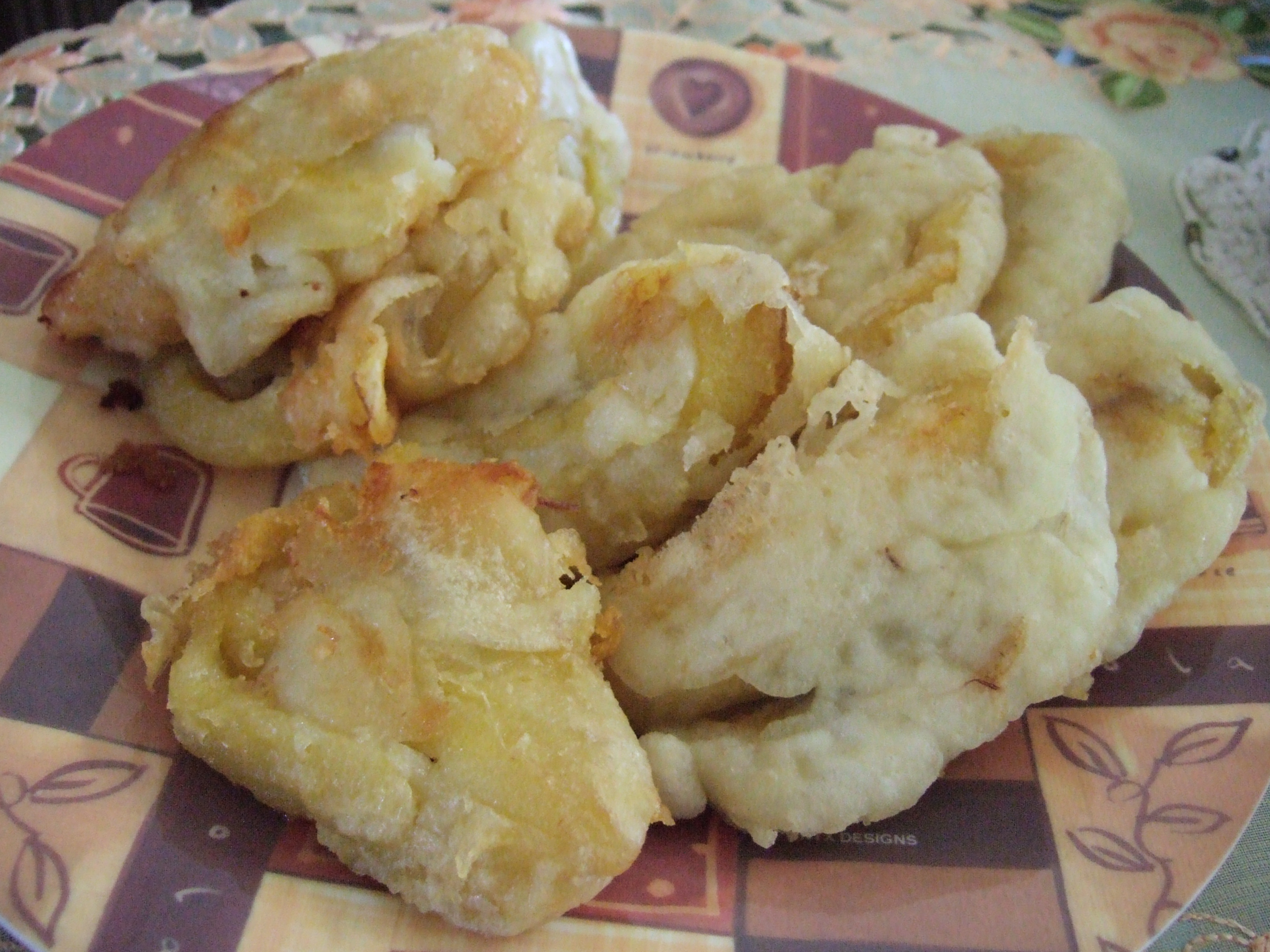
Pisang Goreng, or fried bananas is very popular in Indonesia. It can be eaten as a dessert or a snack in the company's tea break time. Fried banana is easy to do. He needs a few ingredients and short cooking times, will not believe how delicious this simple dessert be.Here's recipe.

Ingredients

- 5 medium ripe bananas, peeled and cut into 2 to dan 1 tablespoon white sugar
- 1 cup flour
- 1 egg
- 50 g margarine
- water
- oil for frying

Directions

Kue Nagasari recipe and Health Benefits


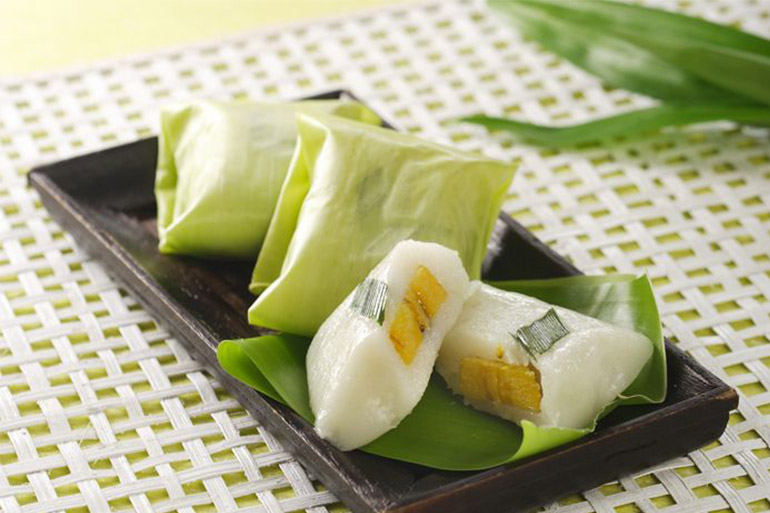
Banana is the most widely available in all fruits in Indonesia, it is not surprising that they feature in many desserts and cakes

Ingredients:

6 large ripe banana or 2 small
Rice flour 1 ¼ (150 g)
4 tablespoons flour or tapioca flour, mung bean
2 cups (500 ml) coconut milk diluted
¼ cup (50 g) sugar
A pinch of salt
Twelve 7-in (18 cm) square pieces of banana leaves, packing
Toothpicks to attach

Cooking Directions:

Kue Lapis Manado recipe and Health benefits


As the name implies the dish in Indonesia, which has just Manado, North Sulawesi

Ingredients:
1 ½ lb (700 g) beef sirloin
3 cloves
¼ c. teaspoon freshly grated nutmeg or ground nutmeg
1 teaspoon salt
2 cups (500 ml) of water
Oil for frying

Spice Paste
6.8 The long fingers of peppers, seeded
1 (2 ½ cm) kencur fresh root, peeled and sliced
1 in (2 ½ inch) fresh turmeric, peeled and sliced, or 1 teaspoon ground turmeric
1 (2 ½ cm) fresh ginger, peeled and sliced

Jenang Sumsum recipe and Health Benefits


Different types of tapioca flour, tapioca, rice and small, round, green mung beans are commonly used to make simple desserts and pastries. Bubur Sumsum is equivalent to an Indonesian chicken soup Jewish Mother - if you have a problem, eat a bowl of bubur Sumsum and everything will be fine.

Ingredients:

1 ½ cups (180 g) rice flour
6 cups (1 ½ liters) of water
½ cup (50 g) shredded coconut or ½ cup (40 g) moistened with unsweetened dried coconut flakes
½ c. teaspoon salt
1 portion Palm Sugar Syrup (see Rolls with Sweet Sago palm sugar)

Cooking Instructions:

Make a syrup of palm sugar, following the recipe above

Gethuk Gulung recipe and Health Benefits


Getuk Roll is one of the variations getuk cassava with rolled-uptechniques. Cakes shaped like  rolls are always a lot of fans. Here is a recipe Getuk Roll for 24 pieces.

ingredients Getuk Roll:

     Cassava / sweet potatoes, 600 grams, peeled, cut into pieces
     Sugar, 125 grams
     Margarine, 30 grams
     Vanilla powder, 1 / 2 teaspoon
     Salt, 1 / 2 teaspoon
     Pink food coloring, green and yellow to taste
     Kalapa half old, half fruit, a long scar

How to make Getuk Roll:

Gethuk Ubi Keju recipe and Health Benefits


Sweet Cheese Getuk ingredients:

     Yellow sweet potato, 500 grams, peeled, washed, cut into pieces
     Milk powder, 50 grams
     Refined sugar, 100 grams
     Esen vanilla, 1 / 2 teaspoon
     Cheddar cheese / sheets, 100 grams
     Taste of red cherries, cut into small dice

How to make Sweet Cheese Getuk:

     Steam the potatoes until cooked and soft yellow. Lift.
     Mash potatoes while warm until smooth.
     Add other ingredients except cheese and cherries. Stir well.
     Roll out dough to a rectangle with 2-3 cm thick.
     Cut with cutter ring round shape.

Health Benefits :

Gethuk ubi keju is a variant of gethuk, a traditional Indonesian dessert made from sweet potato (ubi) and coconut. When combined with cheese, it creates a unique and delicious flavor. While gethuk ubi keju is primarily enjoyed for its taste and texture, it may offer some potential health benefits due to its ingredients:

1. Sweet potato: Sweet potatoes are rich in dietary fiber, vitamins (such as vitamin A, vitamin C, and vitamin B6), and minerals (including potassium and manganese). They are also a good source of antioxidants, particularly beta-carotene, which is converted into vitamin A in the body and supports eye health, immune function, and skin health.

2. Coconut: Coconut is rich in healthy fats, including medium-chain triglycerides (MCTs), which are easily digested and used as a source of energy. It also contains dietary fiber and minerals such as iron and copper.

3. Cheese: Cheese provides a good amount of protein and calcium, which are essential for building and maintaining strong bones, muscles, and overall body function.

4. Energy source: Gethuk ubi keju contains carbohydrates from sweet potatoes, which can provide a source of energy for the body.

5. Flavor enhancement: While not a direct health benefit, the addition of cheese to gethuk ubi can enhance the taste and overall enjoyment of the dessert, making it more satisfying to eat.

It's important to note that the specific nutritional profile and health benefits of gethuk ubi keju may vary depending on the type and quantity of cheese used, as well as the overall preparation method.

As with any dessert or sweet treat, it's advisable to consume gethuk ubi keju in moderation as part of a balanced diet that includes a variety of other nutritious foods.

If you have specific dietary concerns or health conditions, it's recommended to consult with a healthcare professional or nutritionist for personalized advice.

Gethuk Ubi Lapis recipe and Health Benefits


Ubi Lapis Getuk ingredients:
Purple sweet potato, 300 grams, peeled, rinsed, chopped
White sweet potato, 300 grams, peeled, rinsed, chopped
Salt, 1 teaspoon
Milk powder, 30 grams
Refined sugar, 100 grams
Margarine, 50 grams
Vanilla powder, 1 / 2 teaspoon

Garnishes:
Green cherries, 4 pieces, cut into 4 parts

How to make Getuk Ubi Lapis:
Respectively steamed sweet potato until cooked and tender. Lift.
Mashed and mashed potatoes while warm.
Mix the sweet purple with 1 / 2 teaspoon salt, 15 grams of milk powder, 50 grams sugar, 25 grams of margarine and 1 / 4 teaspoon vanilla, mix well.
Mix the sweet potatoes with remaining white salt, powdered milk,powdered sugar, margarine and vanilla powder. Stir well.
Roll out dough to form sweet white box with a 1.5 cm thick.
Flatten dough purple yam-shaped box with a 1.5 cm thick.
Arrange the batter-coated white, purple, and white. Cut a triangular shape.
Decorate the top of sweet potatoes with green cherries or to taste. Serve.

For 30 pieces Getuk Ubi Lapis

Health Benefits :

Gethuk ubi lapis is a layered traditional Indonesian dessert made from sweet potato (ubi) and coconut. While it is primarily enjoyed for its taste and texture, it may offer some potential health benefits due to its ingredients:

1. Sweet potato: Sweet potatoes are a good source of dietary fiber, vitamins (including vitamin A, vitamin C, and vitamin B6), and minerals (such as potassium and manganese). They are also rich in antioxidants, particularly beta-carotene, which is converted into vitamin A in the body and supports eye health, immune function, and skin health.

2. Coconut: Coconut provides healthy fats, including medium-chain triglycerides (MCTs), which are easily digested and can be used as a source of energy. It also contains dietary fiber and minerals such as iron and copper.

3. Energy source: Gethuk ubi lapis is a carbohydrate-rich dessert, primarily from sweet potatoes, which can provide a source of energy for the body.

4. Antioxidants: The sweet potatoes used in gethuk ubi lapis contain antioxidants that help protect the body against oxidative stress and inflammation.

5. Flavor enhancement: While not a direct health benefit, the addition of coconut in gethuk ubi lapis enhances the taste and overall enjoyment of the dessert, making it more satisfying to eat.

It's important to note that the specific nutritional profile and health benefits of gethuk ubi lapis may vary depending on the ingredients and preparation method used.

As with any dessert or sweet treat, it's advisable to consume gethuk ubi lapis in moderation as part of a balanced diet that includes a variety of other nutritious foods.

If you have specific dietary concerns or health conditions, it's recommended to consult with a healthcare professional or nutritionist for personalized advice.

Kue Lumpur recipe


Kue Lumpur (Mud Cake) Ingredients:
Wheat flour, 500 grams
Potatoes, 250 grams, steamed, mashed
Coconut milk, 800-850 ml of a coconut
Butter / margarine, 250 grams, melted
Chicken eggs, 4 grains (250 grams)
Sugar, 250 grams
Salt, enough
Vanilla, to taste
Young coconut, a fruit, take the meat
Raisins, to taste

How to make Mud Cake:
Combine eggs, sugar and vanilla, beat until whites (about 10 minutes). Enter the potatoes and stir well.
Stir in the flour gradually, stirring until blended. Pour